

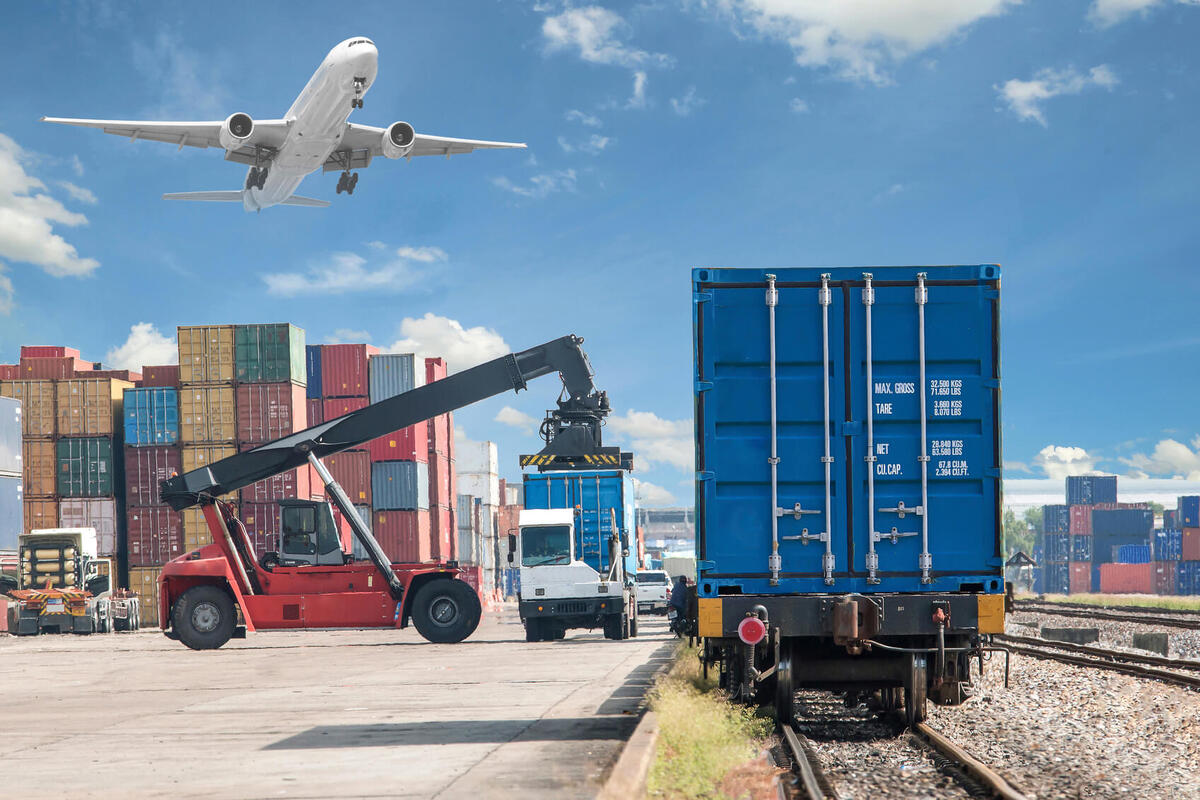
In the realm of international trade, selecting the most cost-effective transportation method is critical for optimizing supply chain efficiency. Sea freight remains the dominant choice for bulk and non-perishable goods due to its unparalleled economies of scale. For instance, shipping a 40-foot container from China to Iran via Bandar Abbas Port costs approximately 30-40% less than air freight. However, multimodal transportation—integrating rail, road, and sea—has gained traction for time-sensitive shipments. Companies like Kian Eghtesad Farda, a leading Iranian trade consultancy, emphasize leveraging the International North-South Transport Corridor (INSTC) for Iran-Eurasia trade, which reduces transit times by 20% compared to traditional routes.
Compliance with Incoterms 2020 is non-negotiable. Terms like FOB (Free on Board) and CIF (Cost, Insurance, and Freight) define risk allocation and cost responsibilities, minimizing disputes. Under Iranian law, adherence to the Customs Affairs Act and utilization of approved ports (e.g., Bandar Abbas, Chabahar) are mandatory. Failure to comply may result in penalties or cargo detention. Kian Eghtesad Farda advises clients to integrate rail transport for domestic distribution, as Iran’s rail network connects major hubs like Tehran and Tabriz, further reducing last-mile costs.
Key Considerations:
-
Volume vs. Speed: Sea freight for bulk; multimodal for hybrid needs.
-
Documentation: Bill of Lading, Commercial Invoice, and Packing List must align with Iranian Customs’ e-system.
-
Sanctions Compliance: Verify restricted goods lists to avoid confiscation.